
Understanding Ourselves
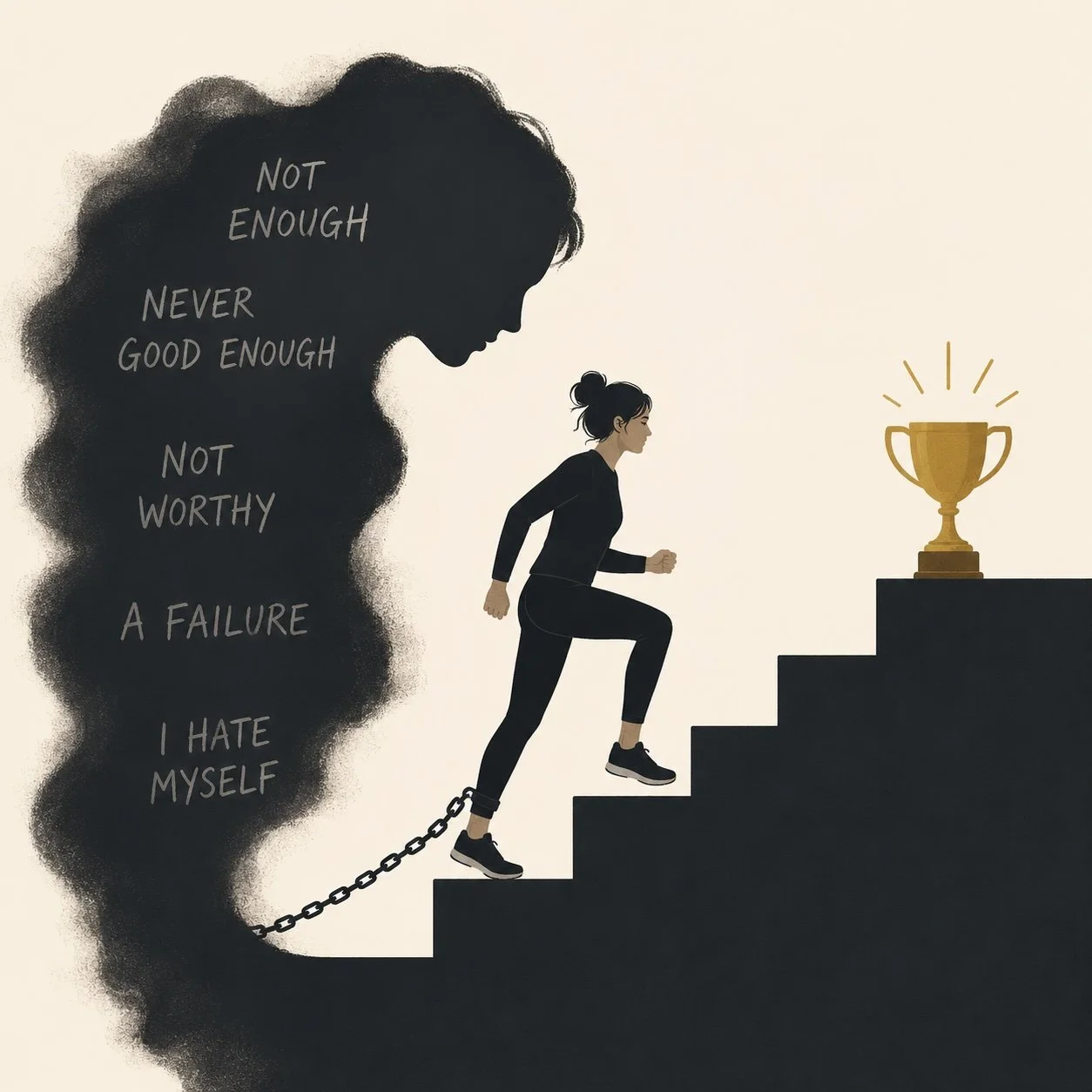
When High Achievement Is Just Self-Hatred Wearing A Suit
Some of the most admired people in the room are not being driven by self-belief at all. They are being chased by self-hatred.
Sometimes extraordinary success is built on a desperate attempt to escape feelings of inadequacy. The promotion, the qualification, the marathon, the business, the perfect body, the endless productivity - they are not always expressions of self-worth. Sometimes they are attempts to create it.
This article explores the psychology of high achievement, from perfectionism and anxiety to childhood attachment wounds and self-hatred, and asks a confronting question: what if the thing driving your success is also quietly diminishing your capacity to enjoy it?


ADHD is not a problem (unless it’s a problem)
When we talk about ADHD, it’s easy to fall into the old story that it’s a disorder, a deficit, or a broken brain. But ADHD isn’t something to fix — it’s a natural variation in how human minds work. A “symptom” is only a problem if it causes distress or gets in the way of living a meaningful life. Many people with ADHD thrive without medication, finding ways to harness their strengths, shape their environments, and drive their Formula One brains with skill. In this article, we explore why ADHD is more likely underdiagnosed than overdiagnosed, the evolutionary roots of ADHD traits, and how therapy can help people move beyond stigma to live fully and confidently.

Why Self-Love Isn’t Enough and What to Try Instead
Struggling with self-hatred? Discover why self-love alone may not work—and how self-acceptance offers lasting peace. Learn the step-by-step path a psychologist recommends: understanding your humanity, developing compassion, practising forgiveness, and embracing your imperfections as part of a rich, connected life.


ADHD vs. Bipolar: How to Tell the Difference and Why It Matters
ADHD and bipolar disorder share symptoms like impulsivity, mood swings, and racing thoughts, making them tricky to tell apart. Learn the key differences, what to look for, and why an accurate diagnosis is vital for effective treatment and support. Understand your brain and get the help you need.

Five Strategies to Feel Content, Calm, and Complete in Your Own Company
Have you ever noticed how uncomfortable it can feel to sit in a quiet room alone? So many of us reach for our phones, scroll social media, or fill every moment with noise to avoid feeling that emptiness. Yet learning to enjoy your own company can be one of the most life‑changing skills you ever develop.
When we discover how to feel content in our own presence, loneliness begins to soften. Instead of fearing solitude, it becomes a space for restoration, creativity, and even joy. By connecting with nature, observing the rhythms of the universe, and exploring our own inner world, we create a sense of companionship that no one else can give us.
Simple practices like mindful walks in nature, journaling, or just lying under the night sky can shift your experience of being alone from isolating to peaceful. Over time, you begin to realise that the most important relationship you’ll ever have is with yourself—and when that relationship feels strong, life feels fuller, calmer, and more meaningful.
If you’ve ever struggled with loneliness or the fear of being alone, learning how to embrace your own company could be the first step toward a life of deep contentment and emotional resilience.

How to Build Self-Esteem and Stop Negative Self-Talk: Learn to Quieten Your Inner Critic
Self-esteem is the way we value ourselves. It is the inner sense that we are worthy of love and respect, even when we make mistakes or face setbacks. It is not arrogance or constant positivity but a steadier, quieter belief that we are fundamentally okay just as we are. Many people seek therapy because they want to know how to build self-esteem, how to stop negative self-talk, and ultimately, how to learn to love themselves. Learn how to quieten the inner critic and boost your self-worth.

How Alcohol Affects Mood and Mental Health—And Why Dry July Can Be a Great Reset
Alcohol can feel like a quick fix for anxiety, stress or low mood—but what many people don’t realise is that it often makes these symptoms worse once the initial effects wear off. Explore the neuroscience of how alcohol affects the brain, why it disrupts sleep and emotional regulation, and how it can quietly keep us stuck in cycles of anxiety, depression, and emotional overwhelm. Whether you're taking part in Dry July or simply curious about your relationship with alcohol, this is a compassionate, evidence-based look at the link between alcohol and mental health.
Unmasking Adult ADHD: Exploring the Surge in Interest and Challenges in Diagnosis
Adult ADHD diagnosis is having a moment in the zeitgeist and it’s for good reason. Psychologists, psychiatrists, and researchers around the globe have recognised that we may have got the criteria a little bit wrong and so begins the mad scramble to correct these oversights. Just what is the problem with diagnosing ADHD in adulthood? Why is it so tricky to get a diagnosis? This article aims to answer these questions and more.

Depression
The evidence is clear: psychotherapy can be a powerful tool in the fight against depression.

Anxiety & Your Body
Understanding our physiological responses to anxiety can help us to recognise signs and symptoms earlier on and take steps to prevent our anxiety escalating to the point where it becomes distressing or impairing. Anxiety is a normal, healthy part of being human. In fact, it is essential. As I explain to clients, our goal is not to eliminate anxiety altogether. When the smoke alarm goes off, I need your system to still be able to kick in so that you can grab the kids and the dog and escape from the flames safely. The problem is when it starts activating in the absence of an immediate threat.
