
The Nervous System

Take the Break Before You Need It
We tend to wait until we’re exhausted before giving ourselves permission to stop. But rest isn’t a reward for reaching burnout. Research suggests that taking breaks, properly switching off and allowing ourselves to recover can reduce fatigue and help us perform better. So why do so many of us still feel guilty about resting?
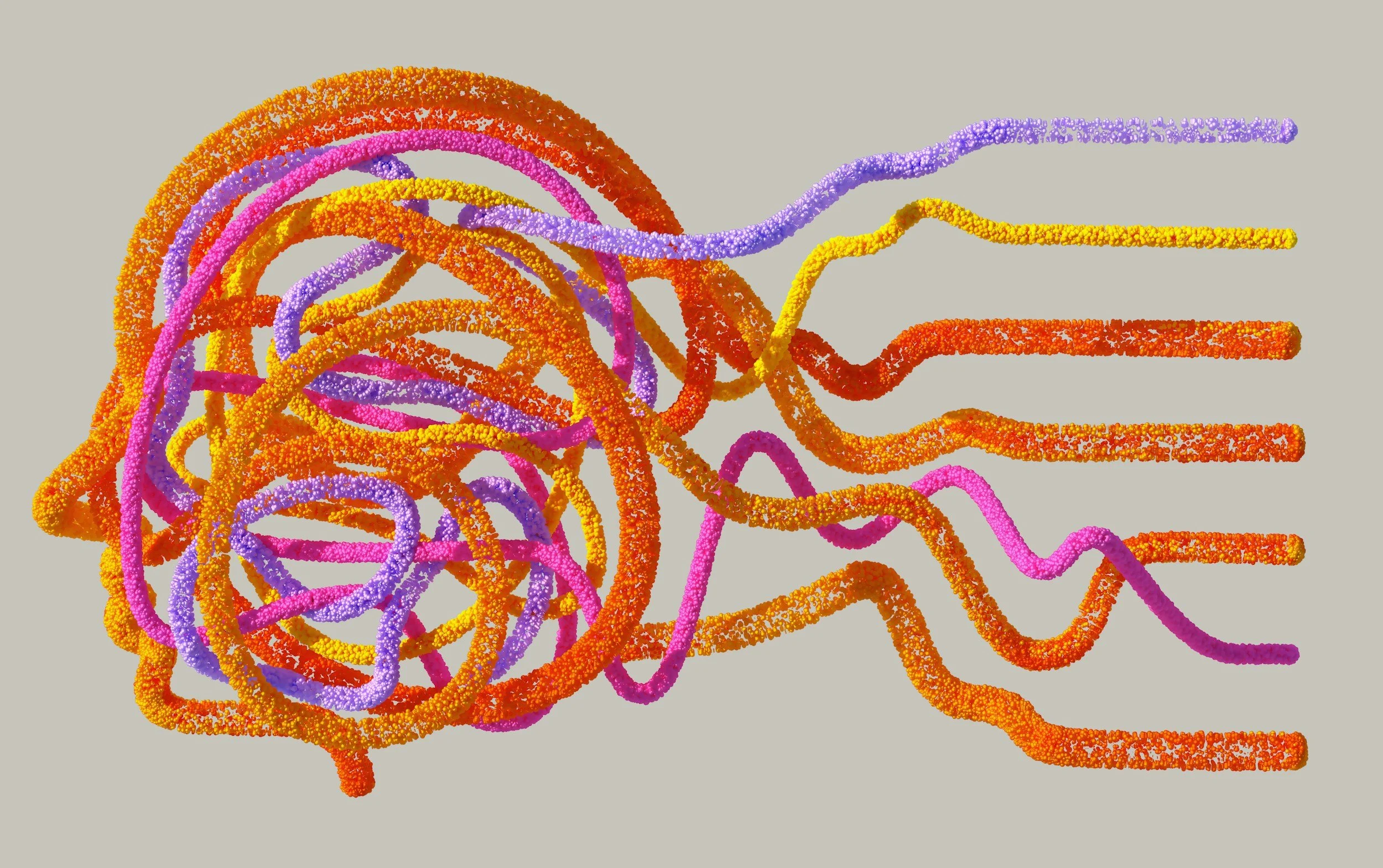

Things You Don’t Have To Fix This Weekend…
There is a quiet kind of pressure that can creep into long weekends. More time somehow becomes more expectation. A chance to catch up, get organised, improve things that have been sitting in the background. And before you know it, rest starts to feel like something you have to earn.
This piece is an invitation to step out of that mindset, even briefly. You don’t have to fix your productivity, your body, your relationships, or your mood to make this weekend worthwhile. Sometimes the most regulating and restorative thing we can do is let things be, just as they are, without turning them into a project.

Mental Health Fatigue and Intentional Non-Striving
Many people arrive at summer already exhausted, not because they haven’t tried hard enough, but because they have been trying for too long. Managing mental health, attending appointments, doing the inner work, showing up for relationships and daily life all carry a cognitive and emotional load that is rarely acknowledged. This article explores health care fatigue and the idea of intentional non-striving, offering permission to rest without shame. It is not about giving up on therapy or growth, but about allowing the nervous system to settle, letting go of constant self-improvement, and using summer as a time to simply be. Sometimes the most supportive thing you can do for your mental health is to stop pushing forward and allow what is already there to breathe.

Top Tips for Creating Work Life Balance
How can you find balance between work and life? Since COVID many of us are working at home at least a few days per week which can make distinguishing the boundaries between our working life and homelife difficult. The following article provides tips and strategies to help achieve that perfect work-life balance.

Anxiety & Your Body
Understanding our physiological responses to anxiety can help us to recognise signs and symptoms earlier on and take steps to prevent our anxiety escalating to the point where it becomes distressing or impairing. Anxiety is a normal, healthy part of being human. In fact, it is essential. As I explain to clients, our goal is not to eliminate anxiety altogether. When the smoke alarm goes off, I need your system to still be able to kick in so that you can grab the kids and the dog and escape from the flames safely. The problem is when it starts activating in the absence of an immediate threat.